
From passive to proactive:
Partnering in ATTR-CM care
Tips for securing a faster ATTR-CM diagnosis

Charles Schulman, MD, shares tips for how medical professionals can secure a faster ATTR-CM diagnosis, including what symptoms and red flags to look out for.
Watch VideoEpisodes
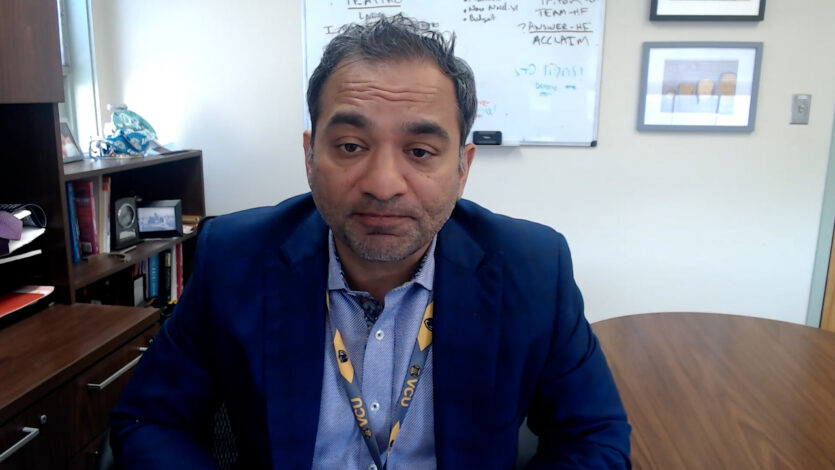
Encouraging ATTR-CM patients to ask more questions during clinic visits
Keyur Shah, MD encourages amyloidosis patients to ask as many questions to their doctors as they want, and shares tips for how to feel more comfortable doing so.
Watch Video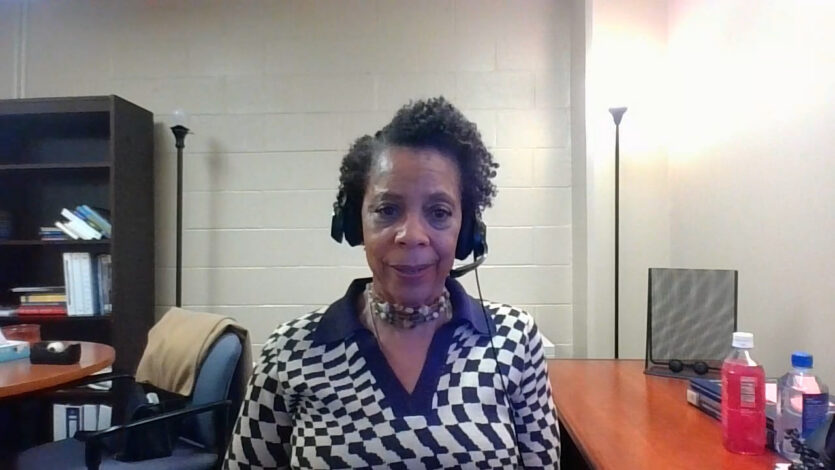
No question about ATTR-CM is off the table
Carolyn Baldwin shares that asking any and all questions to her doctors is the best way to receive quality care.
Watch Video
Tips for securing a faster ATTR-CM diagnosis
Charles Schulman, MD, shares tips for how medical professionals can secure a faster ATTR-CM diagnosis, including what symptoms and red flags to look out for.
Watch Video
Caregiver strategies for navigating ATTR-CM appointments
Quan Boatman discusses how communication and tracking symptoms can help patients and caregivers better navigate doctor appointments.
Watch Video
Sorting fact from fiction in ATTR-CM information online
Keyur Shah, MD, explains how online amyloidosis information can support conversations between patients and healthcare providers.
Watch Video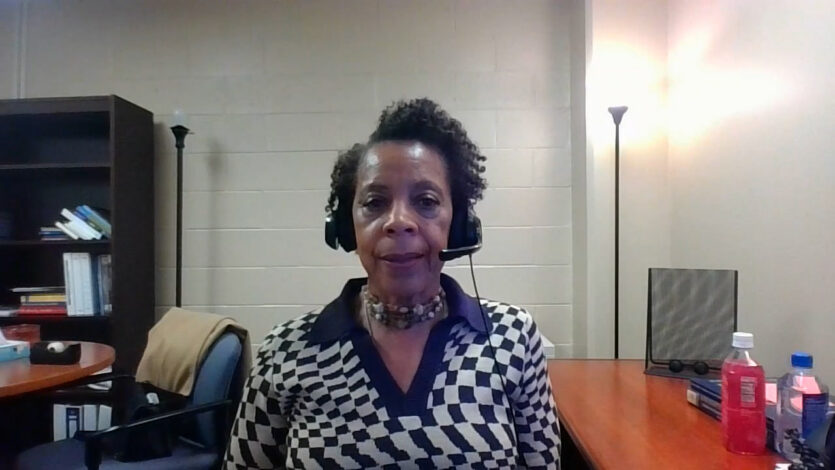
‘Silly’ questions beat assumptions when grasping ATTR-CM’s reality
Carolyn Baldwin shares the importance of asking questions, understanding your body, and working with your care team to interpret information after diagnosis.
Watch Video
When carpal tunnel may signal ATTR-CM
Charles Schulman, MD, discusses how amyloid cardiomyopathy may be identified, including early signs like bilateral carpal tunnel syndrome.
Watch Video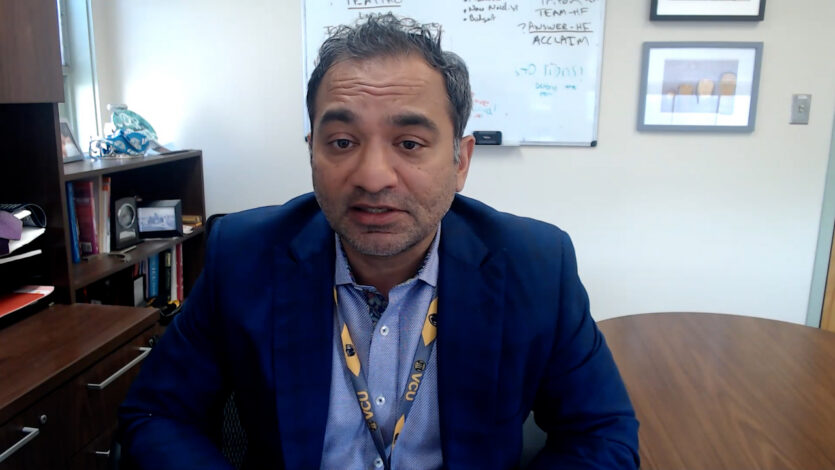
Bringing your own research to your ATTR-CM care conversations
Keyur Shah, MD, encourages patients to bring research to their healthcare providers and highlights the importance of staying informed as ATTR-CM care continues to evolve.
Watch Video
Be firm about pursuing normalcy during ATTR-CM hospital stays
Quan Boatman shares the challenges of a long hospital stay and how small changes, like rest and time outdoors, can support well-being.
Watch Video