
 Discussion
Occupational therapy for hATTR-PN
Last updated April 17, 2024, by Marisa Wexler, MS
 Fact-checked by Marta Figueiredo, PhD
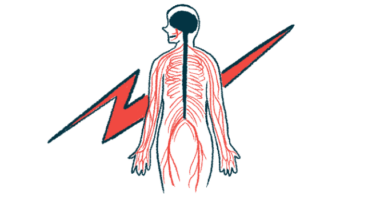
Occupational therapy is a key part of disease management for many people with hereditary transthyretin amyloidosis with polyneuropathy (hATTR-PN), also known as familial amyloid polyneuropathy (FAP), a genetic disease marked by progressive damage to the nerves that run through the body outside the brain and spinal cord.
This nerve damage, called peripheral neuropathy, can cause symptoms that include abnormal sensations, pain, muscle weakness, fatigue, and difficulty walking, that is, problems with gait.
Benefits of occupational therapy for people with hATTR-PN
The symptoms of hATTR-PN can make certain daily activities difficult or impossible, and sometimes require patients to find new ways to accomplish tasks.
Occupational therapy, which factors heavily in neuropathy management, is focused on helping patients develop or regain skills they need to successfully perform everyday activities with as much independence as possible so they can maintain a good quality of life while living with the disease.
Because no two people with hATTR-PN have the same lifestyle or experiences with the disease, the specific interventions given by occupational therapists will vary widely from person to person, depending on their abilities and goals.
Often, the occupational therapist will start with an initial assessment to better understand what the patient is struggling with. Then, the therapist will work with the patient to find strategies that address specific areas of difficulty.
Some interventions that may be offered by occupational therapists include, but aren’t limited to:
- guiding patients through exercises to improve balance, motor function, and sensory skills
- teaching patients techniques for pain management, fatigue management, and self-care
- working with patients to come up with new strategies to make daily activities like bathing and getting dressed easier and less stressful
- helping patients find ways to safely do activities that may require more concentration due to neuropathy, such as gait training for fall prevention
- providing guidance about assistive devices and adaptive equipment, from walkers to wheelchairs and shower chairs, that may be beneficial.
While occupational therapy can offer many benefits for people with hATTR-PN, research suggests patients often don’t receive care from occupational therapists. Patients are advised to talk to their healthcare providers about whether occupational therapy might be helpful to them and how to access these resources.
Amyloidosis News Today is strictly a news and information website about the disease. It does not provide medical advice, diagnosis, or treatment. This content is not intended to be a substitute for professional medical advice, diagnosis, or treatment. Always seek the advice of your physician or other qualified health provider with any questions you may have regarding a medical condition. Never disregard professional medical advice or delay in seeking it because of something you have read on this website.
Related articles
-
Discussion
-
 Discussion
-
 Discussion
-
 Discussion
-
 Discussion
-
 Discussion