Seattle VA teams with support group for faster ATTR-CM diagnosis in veterans
Clinicians and patient advocates push for collaboration to provide better care
Written by |
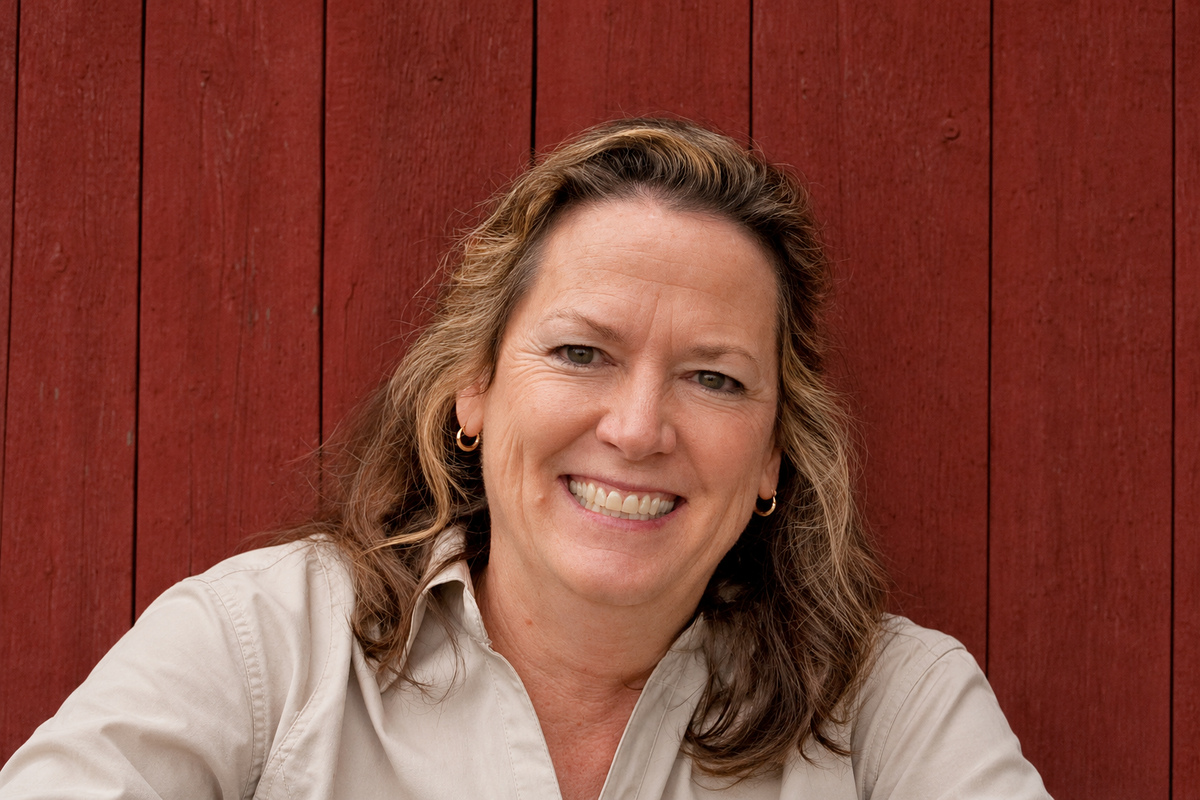
Sally Cox discusses a program that a cardiologist at VA Puget Sound Health Care in Seattle began to improve health care for veterans with heart disease. (Courtesy of The Mended Hearts, Inc.)
Every Nov. 11, our nation pauses on Veterans Day to honor the courage and sacrifices of those who wore the uniform. Yet for many aging veterans, an unknown battle begins long after their military service concludes. It unfolds in exam rooms and cardiology clinics across the country. Heart failure symptoms that do not resolve, accompanied by progressive fatigue, nerve pain, shortness of breath, early satiety, carpal tunnel, and digestive issues, are followed by a diagnosis that often arrives years too late.
One of the underdiagnosed causes of heart failure in this patient community is transthyretin amyloid cardiomyopathy (ATTR-CM), a condition where misfolded transthyretin proteins produced by the liver deposit in the heart muscle and other tissues, causing cardiac walls to stiffen and fail. Patients often spend years stuck in a medical merry-go-round because the condition closely resembles typical hypertensive heart disease or classic heart failure with preserved ejection fraction (HFpEF).
Although the VA links toxic exposures like Agent Orange to AL amyloidosis, aging veterans remain at significant risk for wild-type ATTR-CM. Meeting this urgent health need requires strong collaboration among patient advocates, healthcare providers, and clinical innovators — a shared vision that motivated a new movement in the Pacific Northwest.
An email that changed everything
Advocacy often feels like knocking on heavy doors, hoping someone inside hears you. Despite her demanding schedule, Kavita Khaira, MD, a dedicated cardiologist at VA Puget Sound Health Care in Seattle, reached out to the Pacific Northwest Amyloidosis Support Group. Rather than waiting for patients to arrive with advanced heart failure, Khaira sought allies in the community. She aimed to elevate diagnostic precision for ATTR-CM by improving the quality and interpretation of nuclear bone scintigraphy and cardiac magnetic resonance (CMR) imaging across the VA system.
Done properly, noninvasive imaging revolutionizes cardiac amyloidosis care by facilitating accurate diagnoses without an invasive heart biopsy. However, optimal diagnostics require imaging protocols to be meticulously executed and interpreted with a high index of suspicion. Khaira saw an opportunity to establish the Seattle VA as a regional leader in cardiac imaging excellence.
At the PNW Amyloidosis Group, we connected Khaira directly with industry partners, whose teams are actively expanding education for communities of color and within the Veterans Health Administration. This introduction created an immediate forum where clinical ambition met targeted educational resources.
That initial connection quickly turned into an active program designed to improve care for veterans with heart disease across the Puget Sound health system. The effort focuses on training doctors, standardizing scans, and building equal access to testing so that all veterans get timely care.
Crucially, this project expands screening during common heart procedures. Many older veterans undergo heart valve replacement to treat a narrowed aortic valve. Studies show that roughly 5% to 16% of these patients also have ATTR-CM. Without proactive testing, this underlying heart condition stays hidden even after the valve is fixed. But by screening high-risk candidates and streamlining heart scans, Khaira’s program aims to catch ATTR-CM years earlier, when early treatment matters most.
Empowering veterans through Mended Hearts
To connect clinical innovation with community support, the Pacific Northwest Amyloidosis Support Group is partnering with The Mended Hearts, Inc., to create educational programs on cardiac amyloidosis. Together with Khaira and Mended Hearts leadership, we are launching a three-part Veterans Awareness Webinar Series. This series will help clinicians, veterans, and families recognize early symptoms and get timely testing. Registration details will be available in early 2027 as Mended Hearts rolls out its national campaign, “Serving Those Who Served,” dedicated to supporting veterans’ heart health.
What began in Seattle can serve as a model for VA medical centers nationwide. When primary care doctors, imaging teams, and heart specialists use a shared diagnostic approach, veterans everywhere receive far better care.
This Veterans Day, the best way to honor our Veterans is to ensure they receive the timely, high-quality care they deserve. By bringing together patient advocates, VA clinicians, and healthcare partners, we can build care systems that save lives.
This article was provided by our partner, The Mended Hearts, Inc. It has been reviewed by Bionews for accuracy and relevance. The views and opinions expressed are those of the author and do not necessarily reflect the views of Bionews or Amyloidosis News Today.